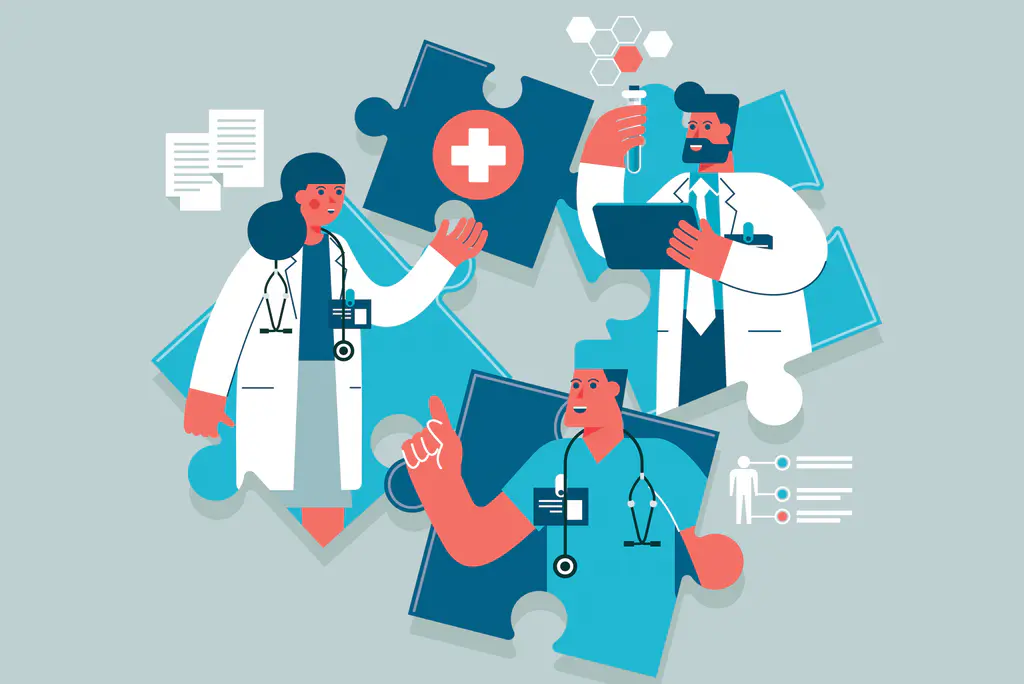
Primary care providers (PCPs) and providers play a unique and important role because they are often the first providers patients see, making them the first stop in most patients’ preventive healthcare. However, primary care providers are trained to provide both preventive and diagnostic care. They help patients stay up-to-date with screenings, vaccines, and blood tests, and they provide crucial lifestyle guidance; they also diagnose illnesses, manage symptoms, and treat a wide range of conditions.To do this well, primary care providers need knowledge in many different areas of medicine. They might treat someone with stomach pain in one visit, help another patient manage depression in the next visit, and provide advice about healthy eating in the visit after that. Because patients arrive with a wide variety of concerns, primary care providers must be prepared for anything, both diagnostic and preventive.Specialists, on the other hand, usually handle more complex or specific diagnostic tasks. For example, a cardiologist focuses on heart issues, while a neurologist deals with the brain and nervous system. Primary care providers often refer patients to specialists when advanced diagnostic testing or specialized treatment is needed.