

Latest Articles
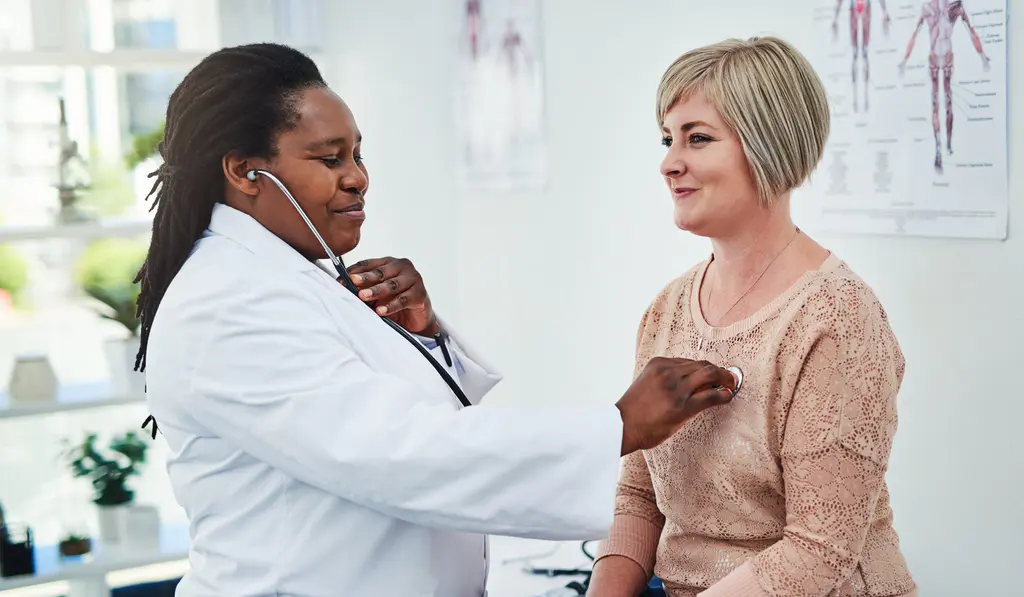
If you’ve recently needed to receive treatment for cancer, you may already be familiar with how dramatically cancer treatments like chemotherapy can affect your heart. It can be overwhelming to deal with additional symptoms and health worries on top of a cancer diagnosis. The good news: there’s an emerging medical field dedicated specifically to protecting your heart during cancer treatment, known as cardio-oncology, that works to keep your cardiac function safe both during and after cancer treatment.
In cardio-oncology, cardiologists—providers who specialize in the heart—work closely with oncologists—providers who treat cancer—to track the health of your heart. By working together, oncologists and cardiologists can manage your risks and help you to stay as healthy as possible, both during and after cancer treatment.
Over the past decade, cardio-oncology has become an increasingly important medical field, especially as cancer treatments have become more effective but also carry with that effectiveness new potential risks to the heart. And as cancer is being diagnosed more frequently in younger people than ever before, preserving your heart health has never been more important—so you can live a long and healthy life without chronic heart conditions once you’ve finished your cancer treatment. So, what exactly are these cardiac risks, and how can your providers work together to prevent them at this challenging time in your life?Cardiac risks associated with cancer treatment
While not all cancer treatments affect the heart, chemotherapy—one of the most common cancer treatments—can have significant impacts on heart health. In addition to chemotherapy, other cancer treatments, such as certain targeted therapies or immunotherapies, can also adversely impact your heart. Because of their strength, cancer drugs can damage the heart muscle in a condition known as cardiotoxicity. Cardiotoxicity can lead to several different heart problems, including:
- Irregular heart rhythms
- Heart attacks
- Increased blood pressure
What is the role of a cardiologist in cancer care?
Cardiologists play a key role in ensuring that your heart stays healthy during cancer treatment, working closely with oncologists to monitor your heart and deciding what to do if problems arise. For example, if you show signs of heart damage from chemotherapy, a cardiologist may recommend pausing or adjusting your cancer treatment to allow the heart time to recover. This teamwork between cardiologists and oncologists helps ensure that you stay safe during your treatment.Cardiologists also help determine whether specific heart medicines can protect your heart during chemotherapy. As this field is new and growing, much is still being learned about which drugs are most effective. Beyond monitoring heart health during treatment, cardio-oncologists also address long-term cardiovascular risks for you once you’ve finished chemotherapy. In these cases, cardio-oncologists can help manage your heart health to prevent problems from developing in the future and treat them if they arise.
What about cardiac cancer?
When you first heard the term “cardio-oncology,” you may have assumed that it refers to the treatment of heart cancer—and you’d be far from alone in thinking that. However, this is not the case. Heart cancer, most commonly appearing as primary cardiac tumors, is extremely rare, so most cardio-oncologists do not treat heart cancer as a main part of their practice, if ever. Instead, their work focuses on the heart problems that can be caused by chemotherapy and radiation. And although heart tumors can be managed by oncologists, they are not the main concern of cardio-oncology programs.
How can I see a cardio-oncologist?
If you are undergoing cancer treatment, you may want to ask your provider about seeing a cardio-oncologist. At ChristianaCare, the cardio-oncology program works closely with oncologists, often breast and gynecologic oncologists, to ensure that cancer patients are referred to the cardio-oncology team for regular heart function check-ups.Here at ChristianaCare, our cardio-oncology program emphasizes a patient-centered approach. This means that the team works to make sure that you’re getting the right care, at the right time, to protect both your cancer treatment and your heart health. Remember, it’s always important to advocate for your health and to make sure that your providers are aware of the risks of cardiac side effects from cancer treatments. If you are undergoing cancer treatment, don’t forget to discuss heart health with your provider and ask whether a cardio-oncologist can become part of your care team.