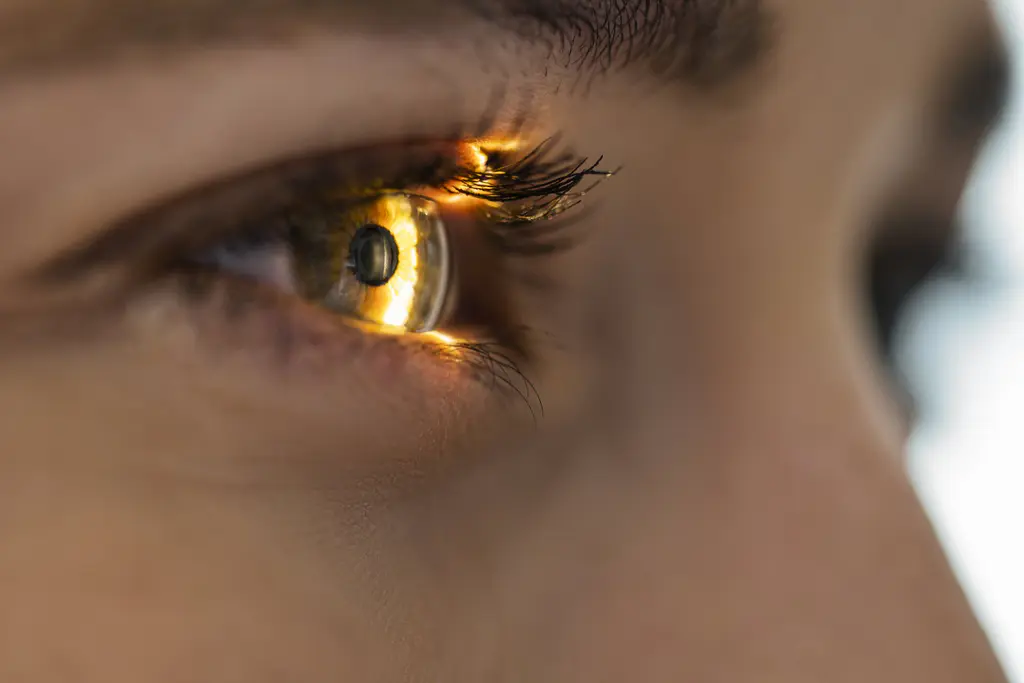
Ophthalmologists provide you with comprehensive eye care. They treat a variety of conditions:
Dry eye. Both optometrists and ophthalmologists may treat dry eye. If initial treatments aren’t helpful, you should seek help from an ophthalmologist. Dry eye occurs when the surface of the eye isn’t adequately lubricated by tears. It can cause eye pain, burning, stinging or pressure.Blinking spreads tears over the surface of the eye, keeping the eye moisturized. You may develop dry eye:
- From staring at your computer screen. People blink less often when they stare at computer screens, which contributes to dry eye.
- During the winter. There’s less humidity in the air, and indoor heating systems pump out dry air. These factors make tears evaporate more quickly, causing dry eye.
- If your Meibomian glands develop problems. These tiny glands, located in your eyelids, secrete oil into your tears. The oil keeps your tears from evaporating too quickly. If your Meibomian glands become clogged or don’t produce enough oil, this may lead to dry eye.
Optometrists and ophthalmologists can recommend over-the-counter or prescription eye drops to help restore eye moisture or increase tear production over time. If eye drops aren’t effective, an ophthalmologist may insert tiny devices called punctal plugs into the eyelids to keep tears on the eye’s surface for longer periods. Alternatively, ophthalmologists can perform a procedure to stimulate the Meibomian glands to secrete oil more effectively.
Glaucoma. Optometrists may diagnose glaucoma and manage some people with the condition, but ophthalmologists handle complex cases.Glaucoma arises when pressure within the eye becomes too elevated. The eye normally produces fluid, which regularly drains out of the eye to maintain normal eye pressure. If fluid doesn’t drain out properly, it can increase eye pressure. Excess pressure can damage the optic nerve, which connects the eye to the brain. Without treatment, glaucoma may damage your peripheral vision and then cause blindness.Glaucoma has silent symptoms in its early stages. You won’t know that you have the condition unless your ophthalmologist or optometrist discovers that your eye pressure is elevated during a routine eye exam. If you’re diagnosed, your optometrist or ophthalmologist may prescribe eye drops that lower your eye pressure to a safe range.If eye drops don’t decrease your eye pressure or prevent damage to your optic nerve, you’ll need additional treatment. An ophthalmologist may decrease your eye pressure with laser procedures or surgery.
Cataracts. Optometrists may diagnose cataracts, but only ophthalmologists can provide treatment. Cataracts form within the eye’s lens, a clear structure inside the eye that helps focus light on the retina so that you see clearly. As you age, the lens becomes cloudy. The cloudiness is a cataract.A cloudy lens scatters light instead of allowing it to pinpoint light on the retina. Cataracts affect vision over time, causing visual disturbances like halos around headlights in the darkness. When a cataract impairs your vision, cataract surgery can correct the problem. It’s one of the most commonly performed surgeries in the United States and is highly safe.During cataract surgery, an ophthalmologist makes tiny incisions on the outside of the eye. They suck out the substance of the cataract, which is the cloudy lens. They then insert a new lens.A new, clear lens usually improves a person’s distance vision. They should see lights more crisply, without halos, and they may see colors more sharply. Sometimes, after cataract surgery, people report seeing things they’ve never seen clearly, like their grandchild’s face.