New Study Points to How Colorectal Cancer Starts
Cancer may develop when normal tissue renewal slows down—not when it speeds up


Cancer may develop when normal tissue renewal slows down—not when it speeds up
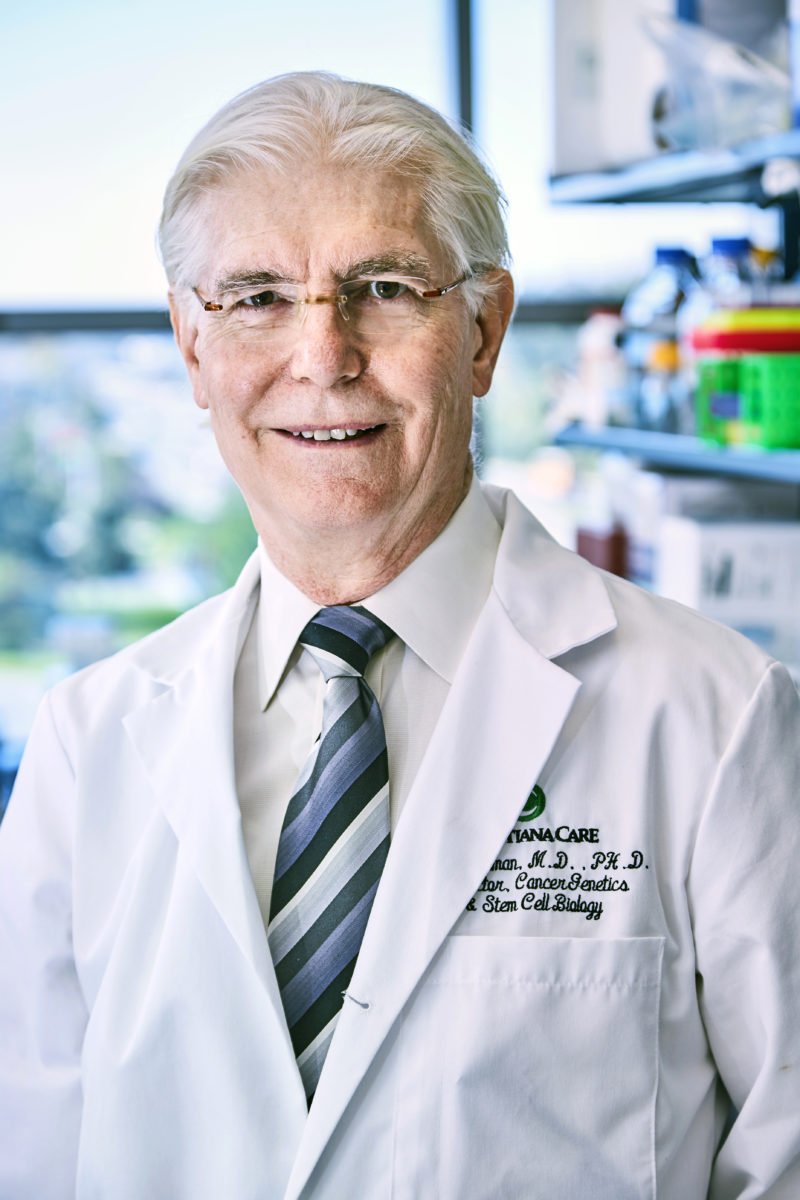 Bruce Boman, M.D., Ph.D.
A team of researchers from ChristianaCare and the University of Delaware has uncovered a key early step in how colorectal cancer begins. Their new study shows that a common genetic mutation in colorectal cancer disrupts the colon’s normal tissue renewal process, causing immature cells to build up, tissue structure to break down and early tumors to form. Their findings were published in the journal Cancers.
“This finding changes how we think about the very first steps of colon cancer,” said Bruce Boman, M.D., Ph.D., senior author of the study and a senior researcher at the Cawley Center for Translational Cancer Research at ChristianaCare’s Helen F. Graham Cancer Center & Research Institute.
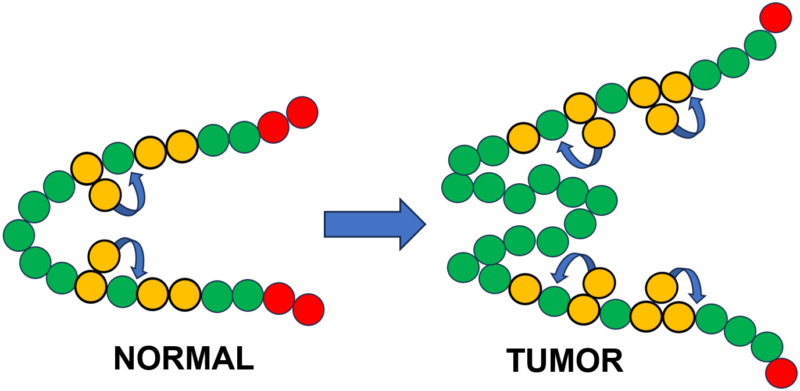
“Instead of cancer starting because cells grow too fast, we found that it may start because the normal tissue renewal process slows down, creating a backup of cells that should have moved on. That backup sets the stage for tumors to grow.” The study was led by a multidisciplinary team of engineers, mathematicians, pathologists and tumor biologists from four research institutions. Colorectal cancer is one of the most common and deadly cancers worldwide. According to the World Health Organization, more than 1.9 million people are diagnosed each year, and about 930,000 people die from the disease annually.
“These findings are significant because they show how cancer-driving mutations change tissues that normally renew themselves nonstop,” Boman said.
 Longtime scientific collaborators Gary Schleiniger, Ph.D., and Bruce Boman.
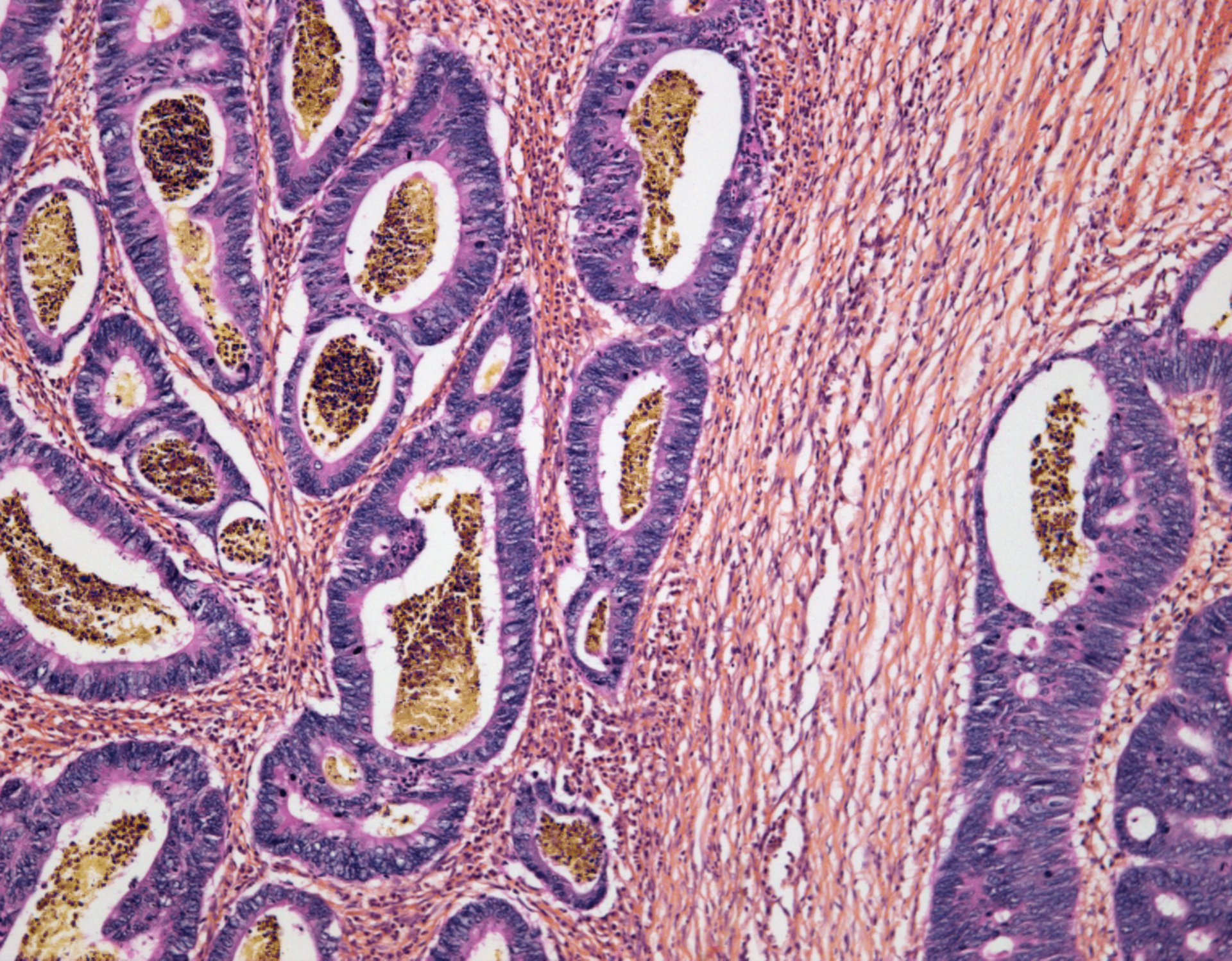
To see how these changes happen over time, the researchers studied patient tissue and used a computer model that shows how colon cells normally grow and renew. When they slowed this renewal process in the model, it matched what they saw in tissue with the APC mutation. Cells became crowded, the structures lost their normal shape, and early tumor-like growths, known as adenomas, began to form.
This confirmed that delayed renewal alone can trigger the earliest changes linked to colon cancer, even before cells appear abnormal under a microscope.
“Our findings show that APC mutation does more than turn on growth signals,” Boman said. “It changes the timing of renewal. Once that timing is off, the tissue becomes vulnerable to structural damage and early tumor growth.”
 By targeting genetic mutation process, it may be possible to restore normal renewal timing and healthier tissue structure before cancer becomes established.
The findings also point toward a potential new approach to treatment. The researchers found evidence that the disrupted renewal process may trigger a chain reaction that allows pre-cancerous cells to keep copying themselves and fueling tumor growth. By targeting this process, it may be possible to restore normal renewal timing and healthier tissue structure before cancer becomes established. “This study shows that cancer isn’t just about rogue cells, but about a system that’s fallen out of rhythm,” Boman said. “If we can reset that renewal process, we may be able to prevent or slow early tumor growth before it gains momentum.”