Virtual Care for Migraines: Alison Potter Cultivates Patient Connections
'Just talking to her makes me feel better'


'Just talking to her makes me feel better'
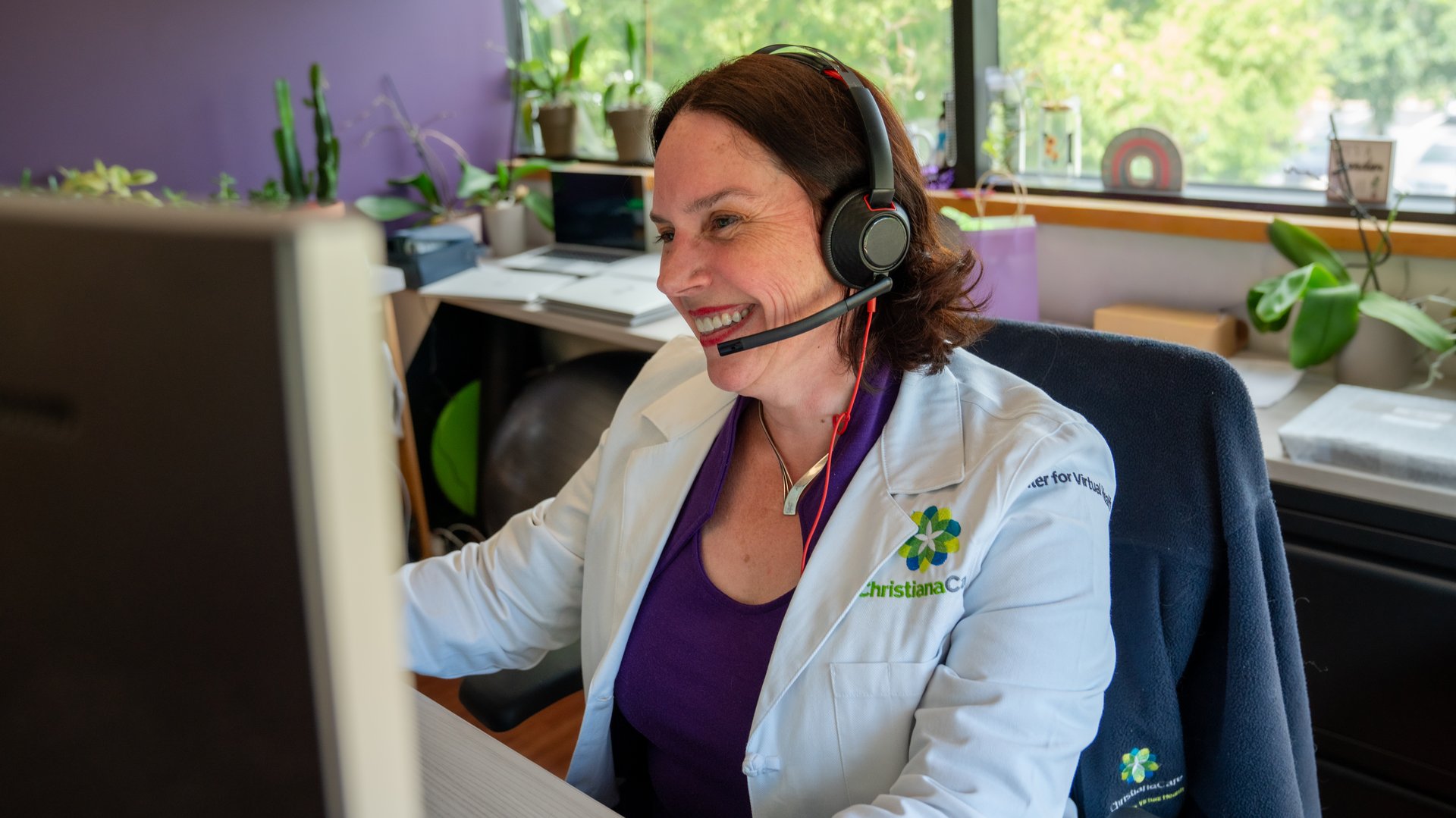
 Neurologist Alison Potter, D.O., was recognized at ChristianaCare’s 2025 The Way We Care Awards for excellence in doctor communication.
 Potter and her team at the Center for Virtual Health ensure patients can receive high-quality care in their homes.
 During her bout with chronic migraines, Ruth Leal said Potter was with her at every step. “It has been a journey,” Leal said. “But just talking to her makes me feel better.”