Gene Editing Breakthrough Offers New Hope for Head and Neck Cancer Patients
Scientists use CRISPR to target drug resistance and open the door to more effective treatments


Scientists use CRISPR to target drug resistance and open the door to more effective treatments
“Natalia Rivera‑Torres, Ph.D.”Our goal was to break through the wall of drug resistance that so many patients face.
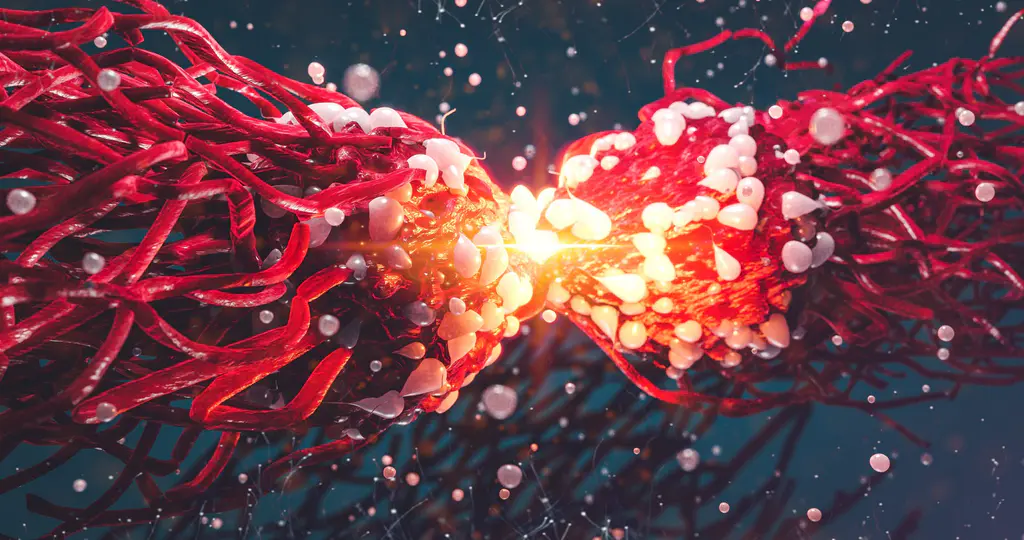
Their major advance was showing that CRISPR can successfully disrupt NRF2 in head and neck cancer cells and in esophageal cancer cells. This work builds on earlier studies in lung cancer, where blocking NRF2 made tumors more sensitive to chemotherapy and improved survival in animal models
“Our goal was to break through the wall of drug resistance that so many patients face,” said Natalia Rivera‑Torres, Ph.D., the study’s lead author. “By precisely editing the NRF2 gene, we can make cancer cells vulnerable again to standard treatments. This could improve outcomes and quality of life.”
 Natalia Rivera-Torres, PH.D.
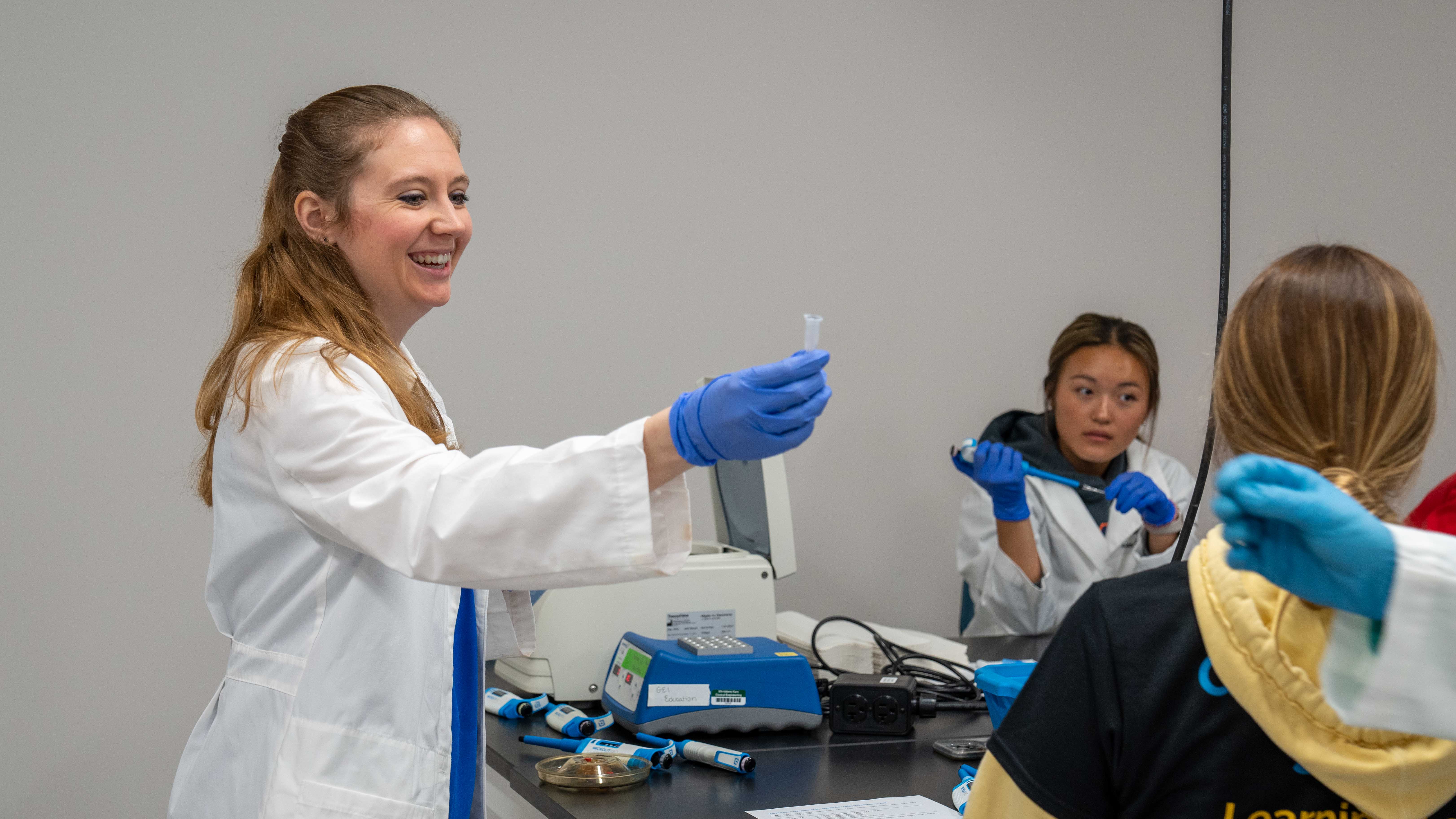
 “By precisely editing the NRF2 gene, we can make cancer cells vulnerable again to standard treatments. This could improve outcomes and quality of life," said Rivera-Torres, shown in the lab with Eric Kmiec, Ph.D., director of the Gene Editing Institute.
“Natalia Rivera-Torres, Ph.D.”CRISPR can successfully disrupt NRF2 in head and neck cancer cells and in esophageal cancer cells.
This is more than just a single experiment,” said Eric Kmiec, Ph.D., director of the Gene Editing Institute and senior author of the study. “We are building a platform that can be adapted to different cancers. Our earlier work in lung cancer showed the promise of this approach, and now we see it working in other hard‑to‑treat tumors. It is an exciting step toward making gene editing a meaningful part of cancer treatment.”

With these strong results, the team is now focused on finding the safest and most effective way to deliver the gene‑editing tools directly to tumors. Their goal is to reduce how much standard treatment a patient needs in order to get the best result with fewer side effects. “Drug resistance is one of the biggest challenges in cancer care,” Rivera‑Torres said. “If we can overcome it with gene editing, we could give patients more time, better quality of life and a renewed sense of hope.” Kmiec added that “we are committed to moving this technology forward quickly while always keeping the patient in mind. The future of cancer treatment is personal, precise and, we believe, within reach.”