Cancer Breakthrough: 'Like an Arrow That Hits Only the Bullseye'
CRISPR innovation at ChristianaCare reverses chemotherapy resistance in lung cancer


CRISPR innovation at ChristianaCare reverses chemotherapy resistance in lung cancer
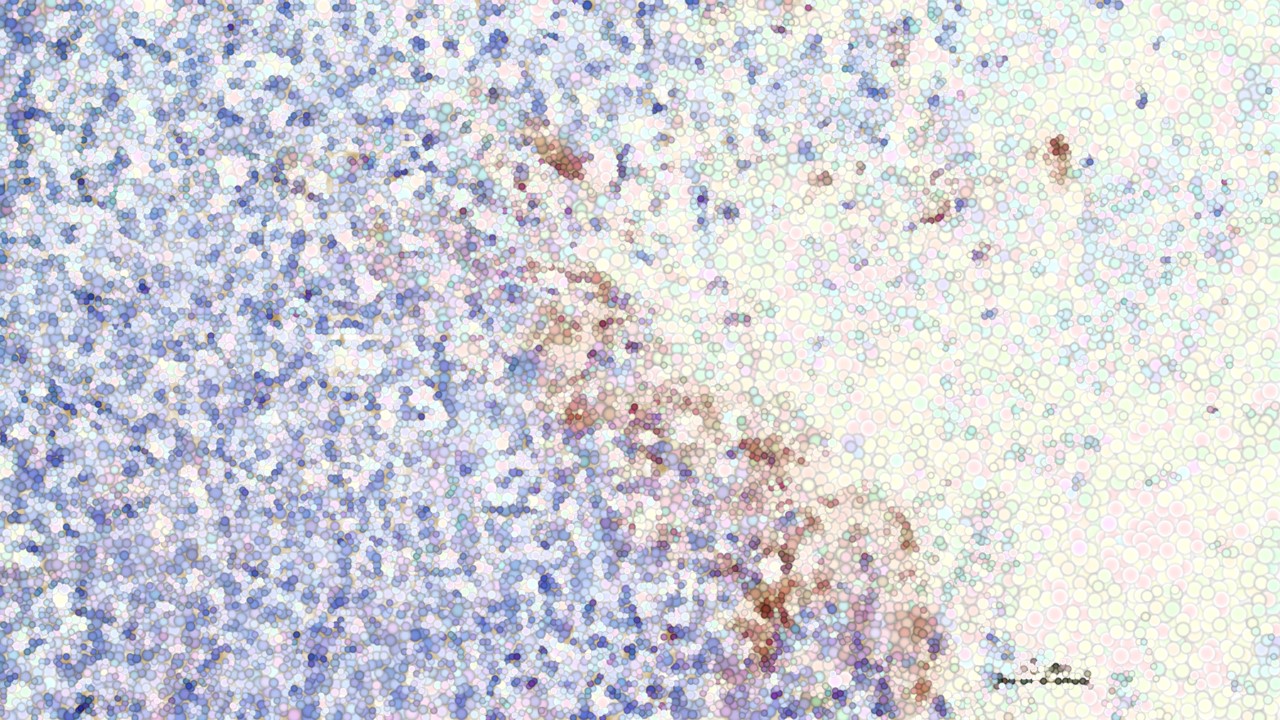
““This is a significant step toward overcoming one of the biggest challenges in cancer therapy – drug resistance." – Kelly Banas, Ph.D.”
 Kelly Banas, Ph.D.
 Genome sequencing using the DECODR software platform shows insertions and deletions created by CRISPR/Cas9 along the NRF2 gene.
“This finding could allow better outcomes for patients and enable them to remain healthier during treatment.”
 Eric Kmiec, Ph.D.